


Leave your message describing your case, and I will respond as soon as possible.
Also, remember that you can schedule a free 10-minute call to clarify all your questions.


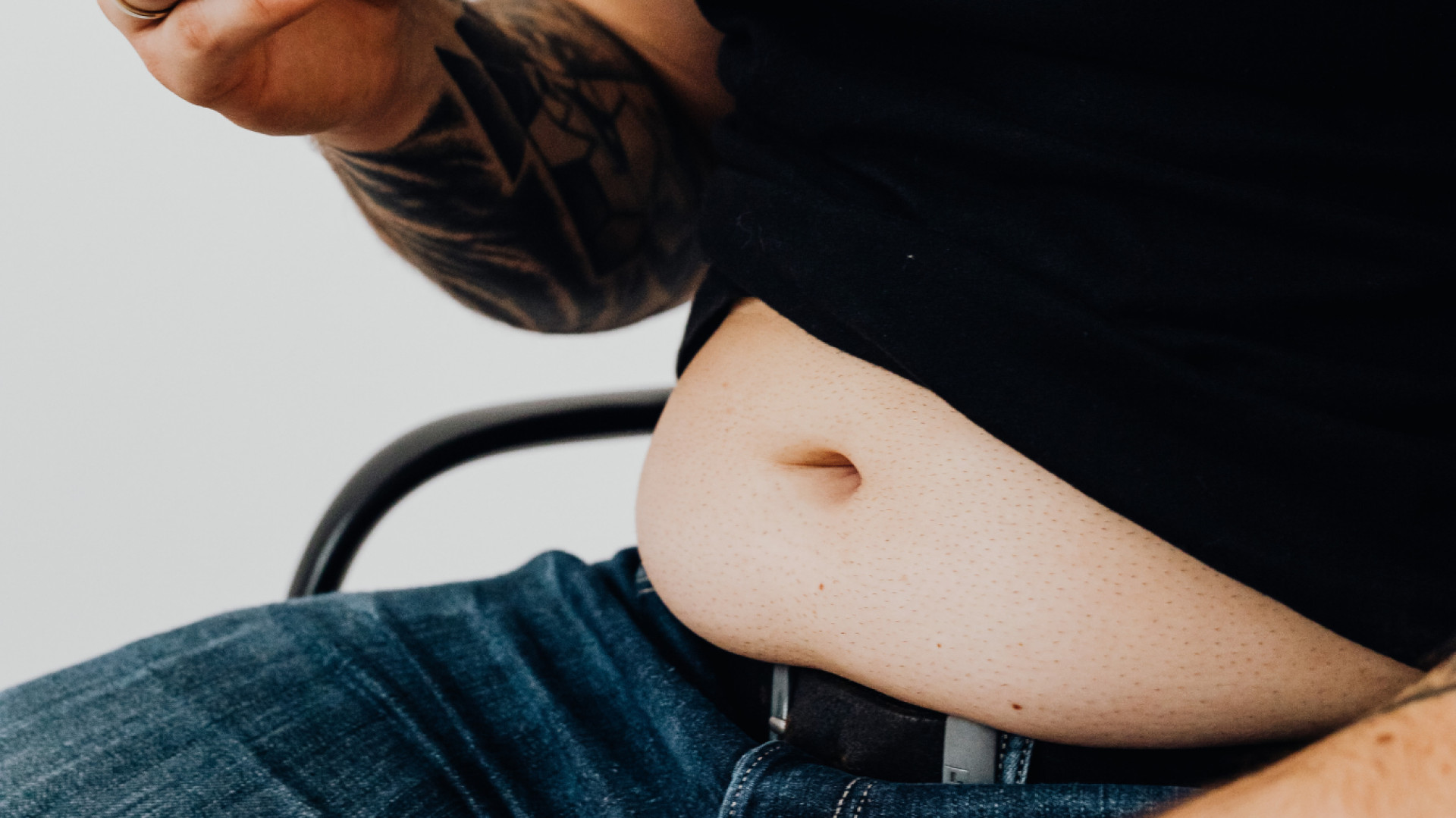
If you've been dealing with bloating after eating, gas, gurgling, heavy digestion or irregular bowel movements — and you've already been told "there's nothing wrong" — the root cause may be in a very specific place: your small intestine.
SIBO (Small Intestinal Bacterial Overgrowth) is, put simply, a disruption in the microbial balance of that part of the intestine. There may be an excess of bacteria, archaea or fungi, or simply an imbalance in their composition — even without true "overgrowth" as such.
The most common symptoms are:
And here's the part that, as a doctor, I most want you to understand: the gut and the brain don't work in isolation.
There's constant two-way communication between them — the gut-brain axis — carried out through the vagus nerve (which carries information from the gut to the brain along most of its fibers, not the other way around), substances produced by your own gut bacteria, the immune system, and the metabolism of tryptophan, the precursor to serotonin.
That means an altered gut can affect your mood, and an altered mood can, in turn, affect your digestion.
This isn't just intuition — there's research behind it. One study of 120 people found that patients with SIBO showed higher rates of mild-to-moderate anxiety and depression than the healthy population. Even more telling: after treating the bacterial overgrowth, digestive symptoms weren't the only thing that improved — tryptophan metabolism also improved, and anxiety and depression levels dropped.
This is what integrative digestive medicine means today: combining scientific evidence with a complete view of the person.
SIBO has become a popular topic on social media, and that has an upside — it brings visibility to a real, often under-diagnosed problem — and a risk: it gets oversimplified.
The scientific community itself recognizes SIBO as a complex clinical condition that isn't always defined or diagnosed consistently. There are different types — hydrogen, methane, hydrogen sulfide, even fungal — and the approach isn't the same for all of them.
SIBO also rarely shows up alone. It's frequently linked to irritable bowel syndrome and functional dyspepsia (up to 70% of people with functional dyspepsia have SIBO), and can even be mistaken for undiagnosed celiac disease, which still goes unrecognized in a very high percentage of cases.
That's why an accurate diagnosis requires ruling out other causes first — not relying on a single test or symptom pattern alone.
Some symptoms should never simply be attributed to SIBO, and need priority medical evaluation:
If you have any of these, seek medical attention as soon as possible, with whichever professional you can see first.
I have specific training in Digestive Medicine and in the gut-brain axis, and my approach isn't a generic "SIBO diet" protocol — it's understanding what's actually happening in your specific case: what triggered it, how it relates to your nervous system and emotional state, and what diagnostic and treatment approach actually makes sense for you.
In the first visit, we go through your full history and you leave with a clear plan. If needed, we support it with weekly acupuncture to help sustain the process over time.
Can SIBO be cured? SIBO can be treated and, in many cases, resolved. The key is identifying what's sustaining it in your specific case — diet, gut motility, stress — so the improvement lasts instead of being temporary.
Is it the same as IBS? No, though they're closely related. SIBO is a specific disruption of the small intestine's microbiota; IBS is a broader functional diagnosis. Many people with IBS have an underlying, undiagnosed SIBO.
Do I need a breath test to know if I have SIBO? It's one of the most commonly used tests, but it isn't always the first step, and it doesn't replace a full clinical evaluation. Before ordering any test, it's important to review your history and rule out other causes.
How long does treatment take? It depends on the case: the type of SIBO, how long you've had symptoms, and what's sustaining it. That's why I don't work with fixed-length protocols, but with a plan that adjusts to how you respond.
If this sounds like you, you can book your first visit for an individualized evaluation of your case.
Leave your message describing your case, and I will respond as soon as possible.
Also, remember that you can schedule a free 10-minute call to clarify all your questions.